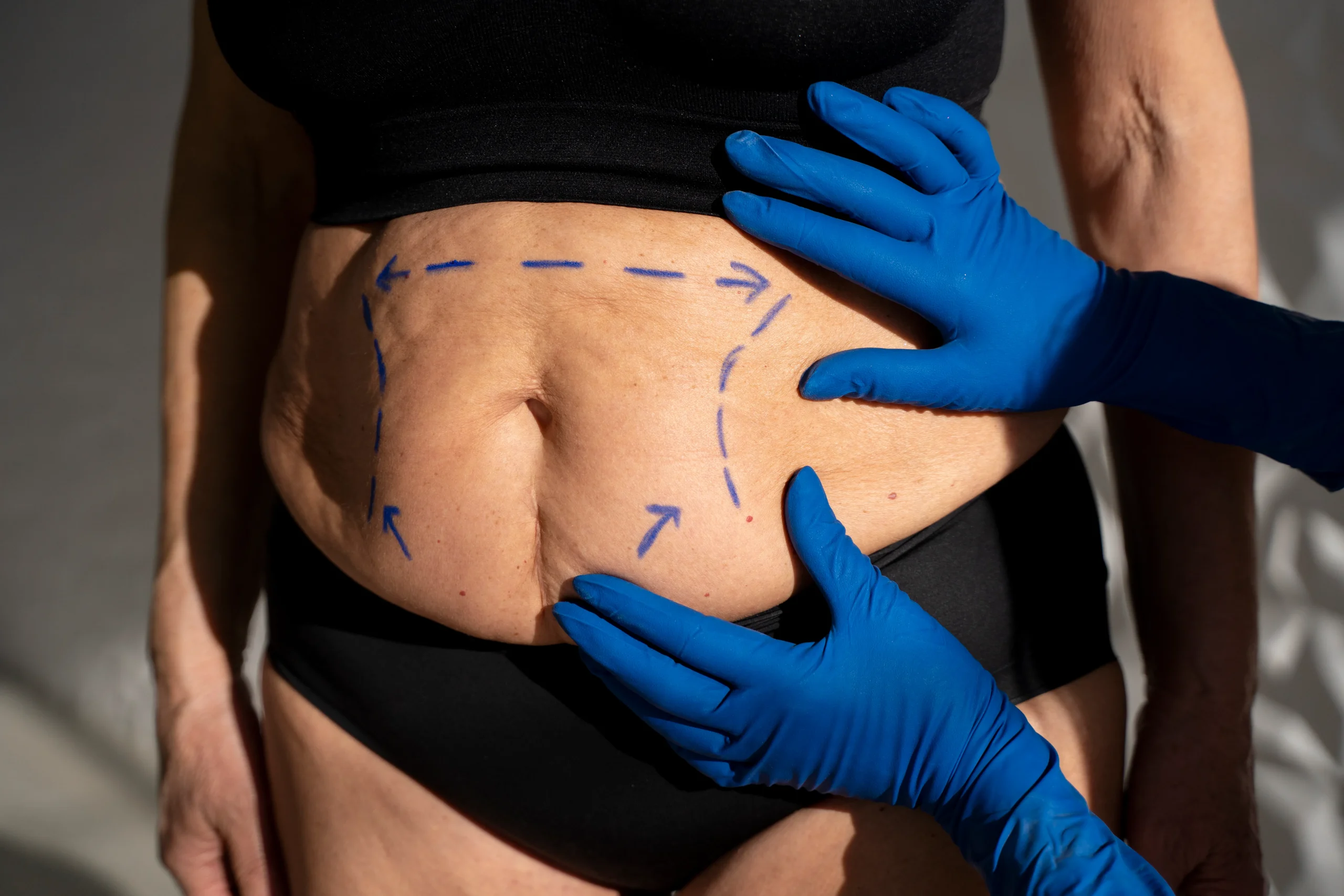

Bariatric surgery is a tool for patients who have tried structured weight loss and still cannot maintain safe, long-term progress. It is designed to help you reduce hunger, portion size, and metabolic strain so weight loss becomes achievable and sustainable.
The important part is not choosing a trendy procedure, it is choosing the option that fits your medical profile, eating patterns, reflux symptoms (if any), and long-term maintenance ability. We confirm the safest path after evaluation, not from a generic package list.
6-month gastric balloon: €1,150
12-month gastric balloon: €2,500
Sleeve gastrectomy: €2,300
Mini gastric bypass: €2,800
Important note
Prices are for the procedure plan listed. Your final plan depends on medical eligibility, pre-op findings, and the safest procedure choice for your goals.
Medical assessment and procedure planning
Procedure fee for the confirmed plan
Standard anesthesia and hospital costs for the procedure
In-hospital monitoring and discharge guidance (plan dependent)
Written post-op diet and recovery instructions
Post-op check(s) during your medical stay
Flights
Hotel accommodation
Transfers and local transport
Extra nights outside the medical plan
Additional treatments not listed in your confirmed plan
Hotels and transfers are not included. If you want, we can arrange hotel options and private transfers based on your preferences and dates, quoted separately.
Tell us your height, weight, and main goal (weight loss, health improvement, diabetes control). We will confirm suitability and recommend the safest option.
To speed up your evaluation, include:
Height, weight, age
Any diagnoses (type 2 diabetes, hypertension, sleep apnea, fatty liver, reflux)
Prior abdominal surgeries (if any)
Current medications
Your travel window and preferred dates
Options: gastric balloon (temporary), sleeve gastrectomy, mini gastric bypass
Hospital stay: plan dependent
Diet progression: staged (liquids to soft foods to normal structure)
Typical early focus: hydration, protein, walking, routine checks
Long-term requirement: follow-up and nutrition structure (supplements when advised)
Goal: sustained weight loss and reduced obesity-related risks
You may be a good candidate if:
You have obesity that has not responded to structured weight loss attempts
You have obesity-related conditions (for example diabetes, hypertension, sleep apnea)
You are willing to follow long-term nutrition rules and follow-up
You understand surgery is a tool, not a guarantee
You have realistic expectations about speed and total loss
Surgery may be delayed or not recommended if:
There are uncontrolled medical risks that must be stabilized first
You are not ready for long-term diet structure and follow-up
You have unmanaged reflux symptoms that require careful procedure selection
You have untreated psychological or behavioral factors that will sabotage outcomes
You expect surgery to work without lifestyle change
A gastric balloon is a temporary, non-surgical endoscopic option placed in the stomach to help portion control and early satiety. It is removed after the planned period. It can be a good choice if you want a less invasive start, but long-term success depends heavily on nutrition structure and habit change after removal.
Sleeve gastrectomy reduces stomach volume and influences appetite-related signals. It is widely used for significant weight loss and improvement of obesity-related conditions. It requires long-term nutrition discipline and follow-up.
Mini gastric bypass is a bypass-type procedure that can have a strong effect for patients where weight loss and metabolic improvement are both priorities. Suitability depends on your reflux risk, anatomy, and long-term nutrition and supplement planning.
Procedure choice is not a brand decision, it is risk management.
Key factors include:
Reflux symptoms and history
Type 2 diabetes and medication needs
Eating patterns (sweet-eating, grazing, binge patterns)
Ability to follow long-term diet structure
Willingness to take supplements when required
Prior surgeries and anatomy
Realistic expectations about speed and amount of loss
Most plans include:
Blood tests and medical clearance
Anesthesia review
Imaging or endoscopy if indicated
Nutrition counseling and a pre-op diet plan when required
If something needs to be treated first (for example uncontrolled blood sugar, anemia, or other medical risks), we address it before scheduling.
Recovery depends on the procedure and your medical profile, but common points include:
Hospital monitoring immediately after the procedure
Early walking encouraged to reduce clot risk
Diet progression from liquids to soft foods under guidance
Follow-up checks before you travel home
A structured plan for hydration, protein intake, and supplements
Your clinical instructions override general timelines.
Surgery works best when the fundamentals are followed:
Protein-first nutrition and portion structure
Consistent hydration
Supplement compliance when required
Sleep, movement, and regular follow-up
A plan for emotional eating triggers when relevant
If someone sells surgery as “set and forget”, they are setting the patient up for regain.
All procedures carry risk. Risks vary by option and can include bleeding, infection, clots, leaks, reflux changes, nutritional deficiencies, intolerance to certain foods, and the need for revision in some cases.
Your evaluation determines your risk profile and the safest procedure choice.
Bariatric care works best when expectations are clear before you arrive. We keep the process structured so your travel timeline fits the medical timeline, not the other way around.
You send height, weight, and your key diagnoses (type 2 diabetes, reflux, sleep apnea, hypertension, fatty liver).
We review your history and confirm whether balloon, sleeve, or mini bypass is most realistic for your goals and risk profile.
You receive a pre-op checklist (tests, medication notes, and basic preparation guidance).
We confirm what is realistic in one trip and what may require staging or follow-up.
In-person evaluation and final procedure confirmation.
Pre-op checks are completed according to your plan.
Surgery is performed in a contracted hospital.
Post-op monitoring and discharge planning.
You receive written diet stages and recovery rules before you leave.
You follow the diet progression plan and hydration rules provided.
You can send updates and questions during recovery (especially for symptom checks and diet tolerance).
We advise what follow-up labs or checks you should schedule locally, based on your procedure.
Flights, hotels, and transfers are not included in procedure pricing. If you want, we can arrange hotel options and private transfers based on your preferences and dates, quoted separately.
International patient coordination that is timeline-driven (tests, surgery, checks, then safe travel).
Clear, written guidance on diet stages, warning signs, and recovery priorities.
Realistic procedure selection based on reflux risk, eating pattern, and metabolic goals, not a one-size package approach.
No. Balloon is temporary and endoscopic. Sleeve and bypass are surgical options designed for larger, longer-term change.
It depends on reflux risk, metabolic goals, eating patterns, and your medical profile. The safest choice is confirmed after evaluation.
Regain risk exists if diet structure and follow-up are not maintained. Surgery is a tool that requires long-term compliance.
Use the form above with your height, weight, diagnoses, and medications. We will respond with next steps.
For patients whose primary priority is type 2 diabetes control and metabolic outcomes, using the same core procedures with a different evaluation focus.
Some patients plan later aesthetic procedures after weight stabilizes. We advise timing realistically to protect safety and results.