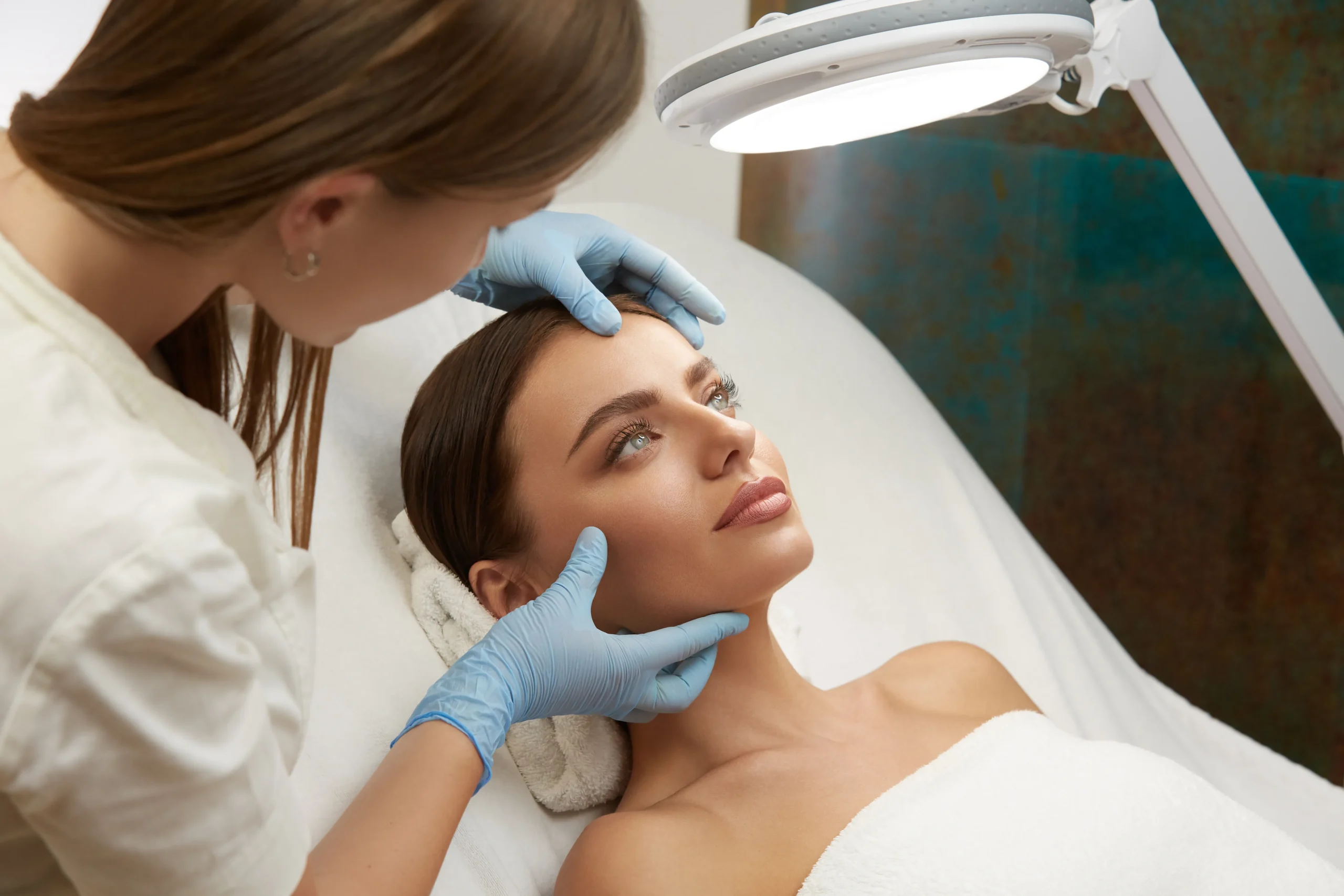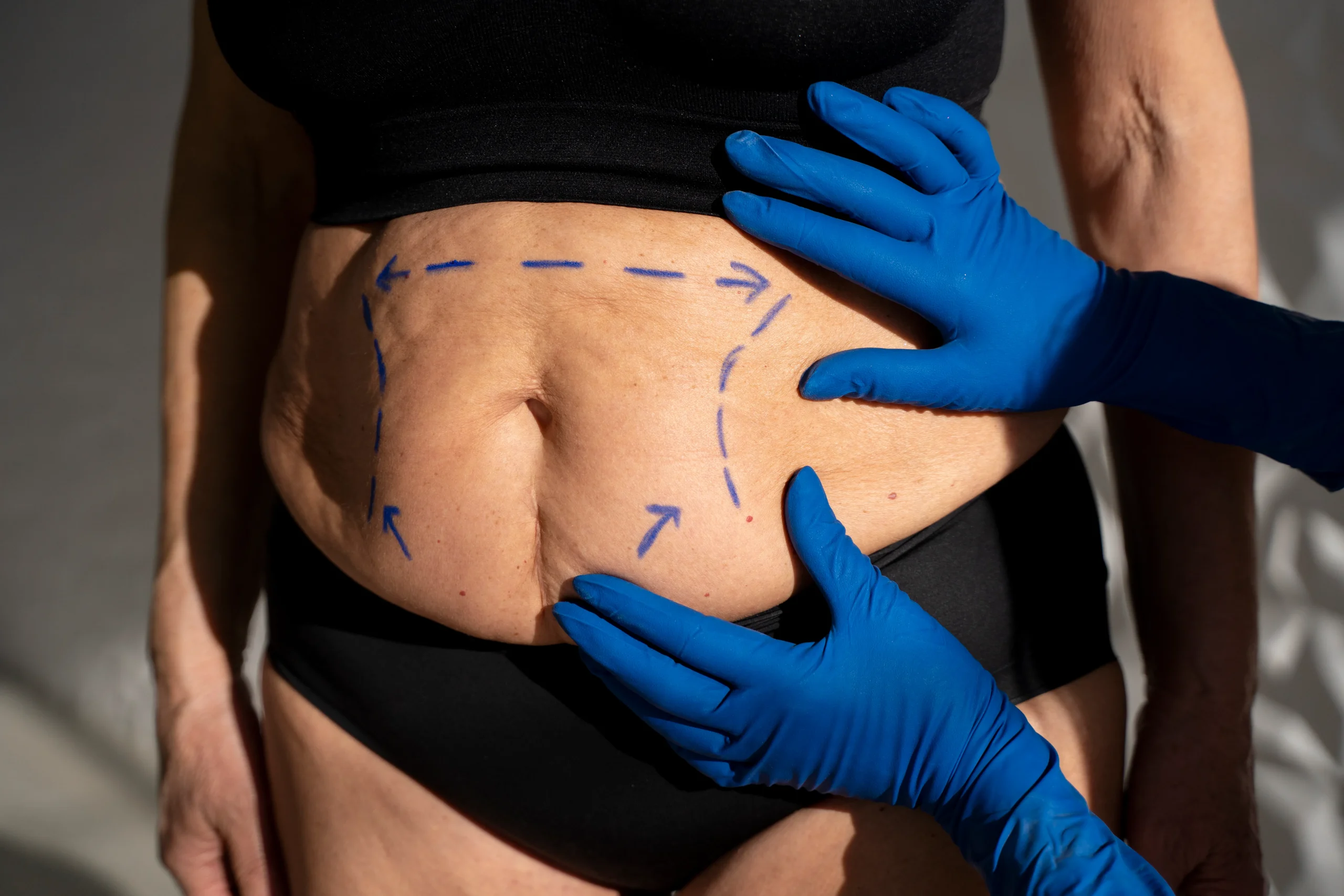

Mesotherapy comes from Latin roots: “meso” meaning “middle” and “therapy” meaning “treatment.” The technique was first introduced in the 1950s.
Mesotherapy is a non-surgical approach in which rejuvenating substances—such as vitamins, enzymes and anti-aging compounds—are injected into the middle layer of the skin.
During Hair Mesotherapy, micro-injections containing a blend of amino acids, vitamins and enzymes are delivered directly into the scalp using very fine needles.
Hair Mesotherapy helps boost collagen production beneath the skin, enhances local blood circulation, and supports the body’s natural immune response. These combined effects contribute to healthier-looking hair.
Hair Mesotherapy is generally considered safe. Mild redness or swelling may occur temporarily, but significant side effects are rare.
Because this treatment improves overall blood flow and rejuvenates the skin, applying it to the scalp can strengthen collagen activity and enhance hair quality. It can make weak, dull or thinning hair appear thicker and more vibrant.
The duration varies depending on the size of the treatment area, but a typical session usually lasts around 30 to 40 minutes.
Treatments such as Hair Mesotherapy and PRP nourish the scalp and improve the health of existing hair follicles. However, they are not procedures that create new hair in areas where follicles no longer exist. Consulting a specialist is important to determine the most suitable treatment.
For optimal outcomes, 6–8 sessions are usually recommended. Treatments are generally spaced 1–2 weeks apart.
Results vary depending on age, scalp condition and the severity of hair thinning, but many patients begin to notice improvement after 2–3 consecutive sessions.
After the procedure, the treated area should be kept dry for at least 12 hours, and direct sun exposure should be avoided for up to 72 hours.
Although there is no specific age restriction, Hair Mesotherapy is not recommended for:
Pregnant or breastfeeding individuals
People with bleeding disorders
Patients undergoing cancer treatment
Those with known allergies to the substances used