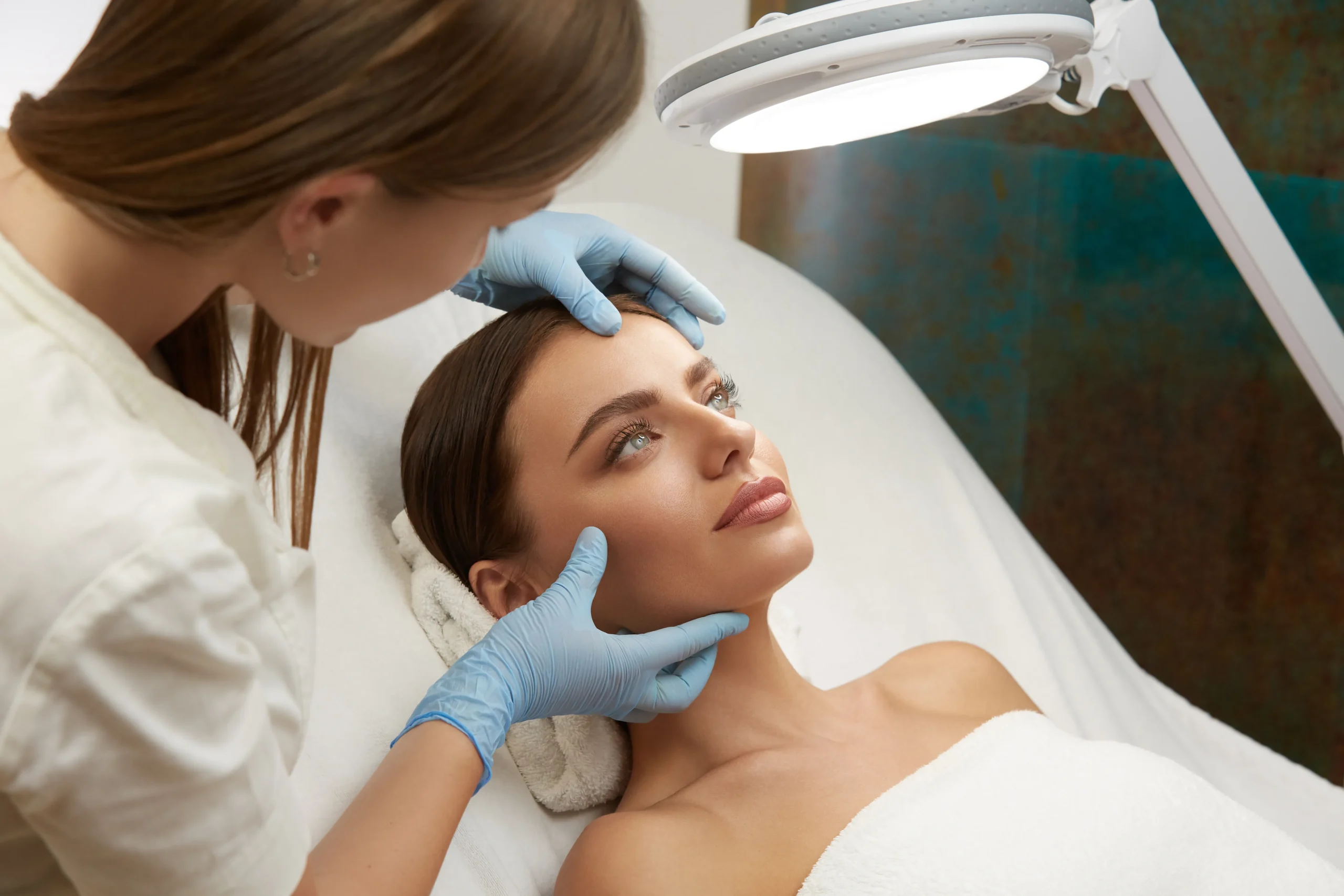
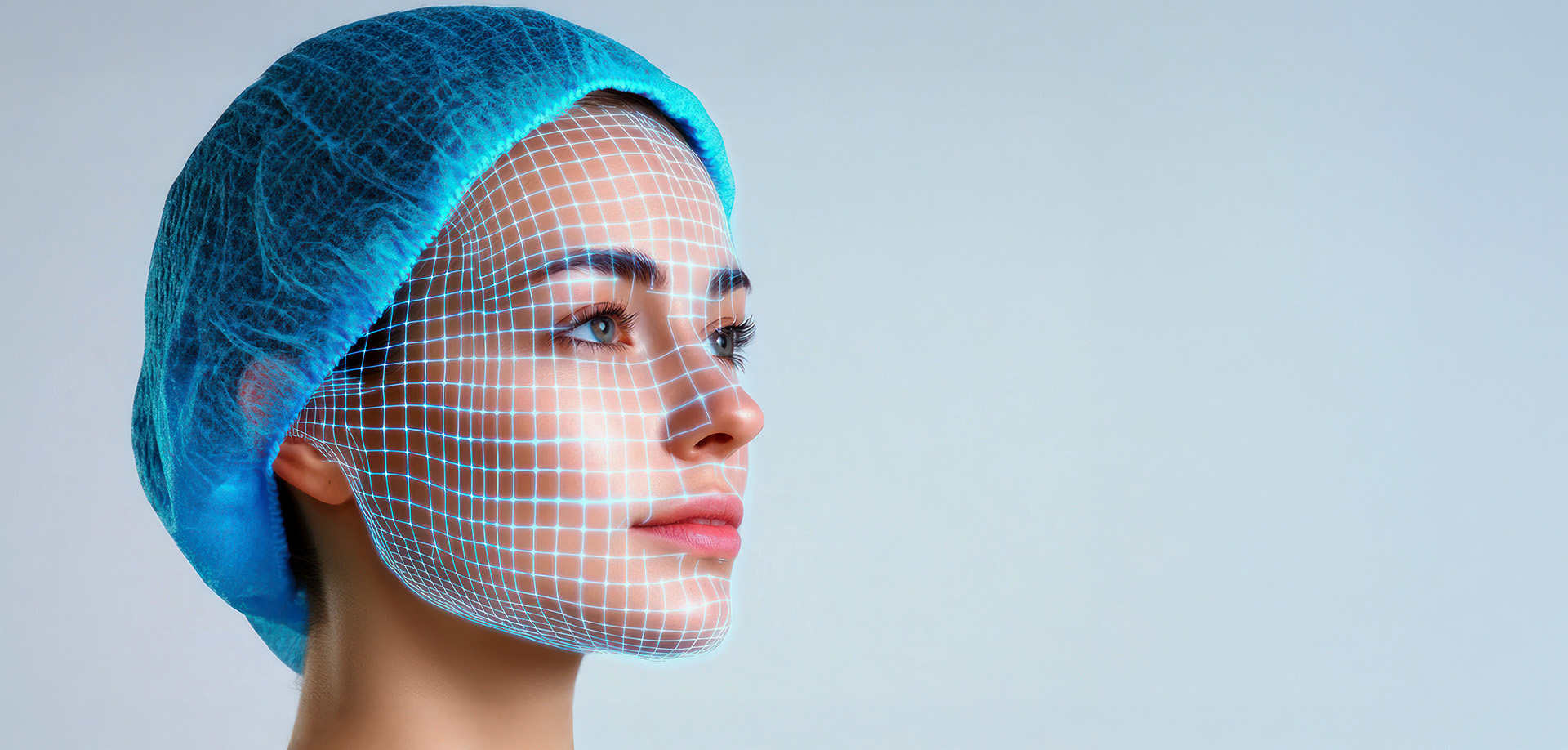
A facelift (rhytidectomy) lifts and tightens the lower face and neck when sagging, jowls, and neck laxity make you look older or more tired than you feel. The goal is a fresher, rested appearance that still looks like you.
At MedMedicals in Istanbul, we plan facelift surgery based on your anatomy and priorities (jawline definition, jowls, neck bands, midface heaviness). In your consultation, we confirm candidacy, explain technique options (mini facelift, full SMAS facelift, neck lift), and give you a clear recovery timeline and travel plan.
See all Facial Aesthetics in Turkey (rhinoplasty, revision rhinoplasty, facelift).
Send 2 to 3 clear photos (front and side) and we will recommend the most suitable technique.
Anesthesia: General anesthesia (in some limited cases, deep sedation)
Duration: About 3 to 5 hours (depends on technique and combinations)
Hospital stay: When required (usually 1 night)
Incisions: Around the ear and into the hairline
Scars: Usually well hidden after healing
Recommended stay in Istanbul: About 7 to 10 nights
Return to daily activities: Around 10 to 14 days
Return to work: Usually after 2 weeks (depends on bruising and swelling)
Return to sports: Light exercise after 3 to 4 weeks, full sports after 6 to 8 weeks
Final result: Refinement continues for 6 to 12 months
Mini facelift: 1,950 €
Full facelift: 2,450 €
Neck lift: 2,450 €
Face and neck lift: 3,150 €
Temple lift (Fox Eyes): 1,950 €
Face and neck lift + 4 lid blepharoplasty (upper and lower): 3,650 €
Face and neck lift + 4 lid blepharoplasty + temple lift (Fox Eyes): 4,150 €
These prices cover the surgical procedure and required hospital care. The exact technique and any combinations are confirmed after photo review and consultation.
Surgeon fee and operating room costs
Anesthesia and standard hospital fees
Hospital stay when required (usually 1 night)
Postoperative checks related to the procedure
Flights
Hotel accommodation
Local transportation and transfers
Extra nights outside the medical plan
Additional procedures unless listed above
Hotels and transfers are not included. If you want, we can arrange hotel options and private transfers based on your preferences and dates, quoted separately.
Tell us what bothers you most (jawline sagging, neck laxity, deep folds, midface descent, or a tired lower face). We will review your case and propose a realistic plan, including which facelift option fits you and what recovery looks like.
To speed up your evaluation, include:
Your age range
Your main concern (jawline, neck, cheeks, overall sagging)
Whether you have had prior facial surgery or fillers
Any major medical conditions or medications
Photos: front, both sides, and 45-degree angles in good light
You may be a suitable candidate if you:
Notice sagging in the lower face, jawline, and neck
See jowls that blur the jawline
Have loose neck skin or neck bands
Feel that your face looks older or more tired than you feel
Are generally healthy and a non-smoker, or can stop smoking before and after surgery
Have realistic expectations and understand the goal is rejuvenation, not perfection
A facelift may not be appropriate, or may need to be postponed, if you:
Have uncontrolled medical conditions (for example heart disease, severe hypertension, uncontrolled diabetes)
Are a heavy smoker and unwilling to stop (higher risk of poor healing)
Expect to look like a completely different person or a specific celebrity
Have very early signs of aging that are better addressed with non-surgical options
A facelift is a surgical procedure that lifts and tightens deeper facial layers and removes excess skin to reduce sagging, jowls, and neck looseness. The goal is not to change who you are, it is to make you look fresher and more rested for your age.
Modern facelift techniques focus on repositioning deeper structures of the face and neck, not simply pulling the skin. This helps avoid an artificial, over-tightened look.
Facelift is often combined with a neck lift, eyelid surgery, or fat transfer to address volume loss and create balanced rejuvenation.
A facelift can help with age-related changes in the lower two thirds of the face and neck, such as:
Sagging cheeks and loss of definition in the midface
Deep folds between nose and mouth (nasolabial folds)
Jowls that hang over the jawline
Loose skin and fat under the chin
Neck bands and neck skin laxity
A general tired, heavy appearance of the face
A facelift will not correct all concerns in the upper face. Forehead lines and drooping brows may require a brow lift or non-surgical treatments. Fine lines around the mouth may need resurfacing or injectables in addition to surgery.
The technique depends on what you want to improve (jawline, jowls, neck laxity) and your anatomy. The options below match the pricing section. Final suitability is confirmed after photo review and consultation.
A mini facelift targets early sagging in the lower face and jawline with smaller incisions and a shorter recovery compared to a full facelift. It is best for mild to moderate jowls and loss of definition, and it does not replace a full face and neck lift when neck laxity is significant.
Typical price: 1,950 € (procedure and required hospital care only)
A full facelift, often performed with an SMAS technique, addresses deeper facial support structures to lift the cheeks and redefine the jawline more effectively. It is usually recommended when sagging and jowls are more pronounced, or when you want a stronger, longer-lasting improvement than a mini facelift can provide.
Typical price: 2,450 € (procedure and required hospital care only)
A neck lift focuses on the neck area, improving loose skin, neck bands, and loss of definition under the chin. It can be performed on its own or combined with a facelift when the jawline and neck both need improvement for a balanced result.
Typical price: 2,450 € (procedure and required hospital care only)
A face and neck lift combines lifting of the lower face with neck tightening to improve jowls, jawline definition, and neck laxity together. This option is often recommended when both the face and neck show visible sagging, because treating only one area can leave an unbalanced result.
Typical price: 3,150 € (procedure and required hospital care only)
A temple lift elevates the outer brow and upper face to create a more lifted look around the eyes. It can be done alone or combined with other procedures depending on your anatomy and goals.
Typical price: 1,950 € (procedure and required hospital care only)
This combination addresses lower face and neck sagging while also improing the upper and lower eyelids. It is chosen when eyelid heaviness or under-eye changes are part of the overall tired look, alongside jowls and neck laxity.
Typical price: 3,650 € (procedure and required hospital care only)
This is a comprehensive combination for patients who want improvement in the jawline and neck, eyelids, and a lifted outer eye and brow area. Suitability depends on anatomy and surgical time, so we confirm the safest plan during evaluation.
Typical price: 4,150 € (procedure and required hospital care only)
Hotels and transfers are not included in the procedure price. If you want, we can arrange hotel options and private transfers and quote them separately based on your preferences and dates.
Mini facelift
Best if you have early jowls and mild sagging, and your neck skin is still fairly firm.
Full facelift (SMAS)
Best if jowls are more pronounced and you want a stronger jawline and longer lasting lift.
Neck lift
Best if your main concern is neck bands or loose skin under the chin, with less focus on the cheeks.
Face and neck lift
Best if both the jawline and neck show visible sagging and you want a balanced result.
If you are unsure, send 2 to 3 clear photos (front and side) and tell us your top 2 concerns, we will recommend the safest option.
Consultation with facial analysis and photos
Review of medical history, medications, and previous treatments
Discussion of priorities and what is realistically achievable
Planning incision placement and type of lift
Preoperative tests such as blood work (and ECG if needed)
Instructions regarding smoking and medications before surgery
Admission to the hospital and final checks
Meeting your surgeon and anesthesiologist again
Marking the incision lines and planned lifting vectors
General anesthesia is administered
The surgeon lifts the skin, tightens the SMAS and neck structures, removes excess skin, and repositions the tissues
Sutures are placed, skin is closed carefully, and dressings or a light bandage are applied
You are taken to recovery, then to your room if a hospital stay is required
Healing after facelift is a gradual process. The following is a typical course, individual experiences vary.
Swelling and bruising are most noticeable
Tightness and mild to moderate discomfort, managed with medication
Small drains may be used briefly and removed early if placed
Keeping the head elevated helps reduce swelling
Swelling and bruising begin to fade
Stitches are usually removed between day 5 and day 10 (depending on area)
Light walking and basic daily activities are fine
Avoid bending, heavy lifting, and sudden head movements
Bruising is often minimal or gone after 2 weeks
Swelling continues to reduce, some puffiness can remain
Many patients return to office work and social activities after about 2 weeks
Avoid strenuous exercise and heavy lifting
Swelling continues to settle and the face looks more natural
Tightness and numbness around ears and cheeks gradually improve
Scars begin to fade from pink to lighter shades
Final contour becomes visible
Scars are flatter and typically blend well with natural lines and hair
Most people see a fresher version of themselves, not a different face
Contact your doctor urgently or seek medical care if you notice:
Sudden, painful swelling or a rapidly growing bruise on one side
High fever or chills
Increasing redness, warmth, or pus-like discharge from incisions
Severe pain not relieved by medication
Any new or worsening facial weakness
All surgical procedures carry risks. Your surgeon will discuss them in detail based on your individual health.
General surgical risks:
Bleeding and hematoma
Infection
Adverse reaction to anesthesia
Blood clots in legs or lungs (rare)
Facelift-specific risks:
Delayed wound healing, especially in smokers
Visible or thick scars, sometimes requiring scar management
Temporary or, rarely, permanent changes in skin sensation
Temporary weakness of certain facial muscles in some areas
Asymmetry or contour irregularities
Hair thinning near incision lines in some patients
Need for revision surgery in rare cases
We treat many international patients in Istanbul. Your surgical fee covers the procedure and required hospital care. Travel and accommodation are separate, because patients prefer different hotel standards and locations.
Online consultation with photo review
In-person assessment and surgical planning in Istanbul
Facelift surgery under general anesthesia in a contracted hospital
Hospital stay when required (usually 1 night)
Postoperative controls before you fly home
Written aftercare instructions and online follow up
Hotel options based on your budget and preferred area
Private airport and local transfers on request
Interpreter support if needed
Surgeons experienced in facelift, neck lift, and combined facial rejuvenation procedures
Focus on natural-looking results that respect your facial identity
Modern hospitals in Istanbul that follow recognized safety and hygiene standards
Dedicated team for international patients from Europe, the United Kingdom, the Middle East, and other regions
Clear communication and transparent pricing structure
Support from first online contact through long-term follow up
Most facelift patients are in their forties, fifties, or sixties. Suitability depends more on your aging pattern and health than age alone.
Modern techniques lift deeper structures rather than over-tightening skin. The goal is a rested look, not an artificial look.
A facelift cannot stop aging, but it can set the clock back. Many patients feel they look noticeably younger for many years.
Incisions are placed around the ear and into the hairline. Early scars may be pink, they typically fade and become well camouflaged.
Most international patients plan 7 to 10 nights, so early checks and stitch removal timing are handled before flying. Your exact stay depends on whether you combine procedures.
Yes, commonly with eyelid surgery, fat transfer, or a brow lift. Combinations must be planned to keep surgery time and recovery within safe limits.
Yes. Smoking increases the risk of delayed healing and skin problems. If you cannot stop before and after surgery, facelift is usually postponed for safety.
Depending on your goals, you may also want to review:
Often combined conceptually with facelift planning to create an overall rested look.
Requested by patients who want facial harmony changes in one coordinated plan, not because it is required for facelift.
If you want multiple facial improvements, start here and request a plan so timing and priorities stay realistic.