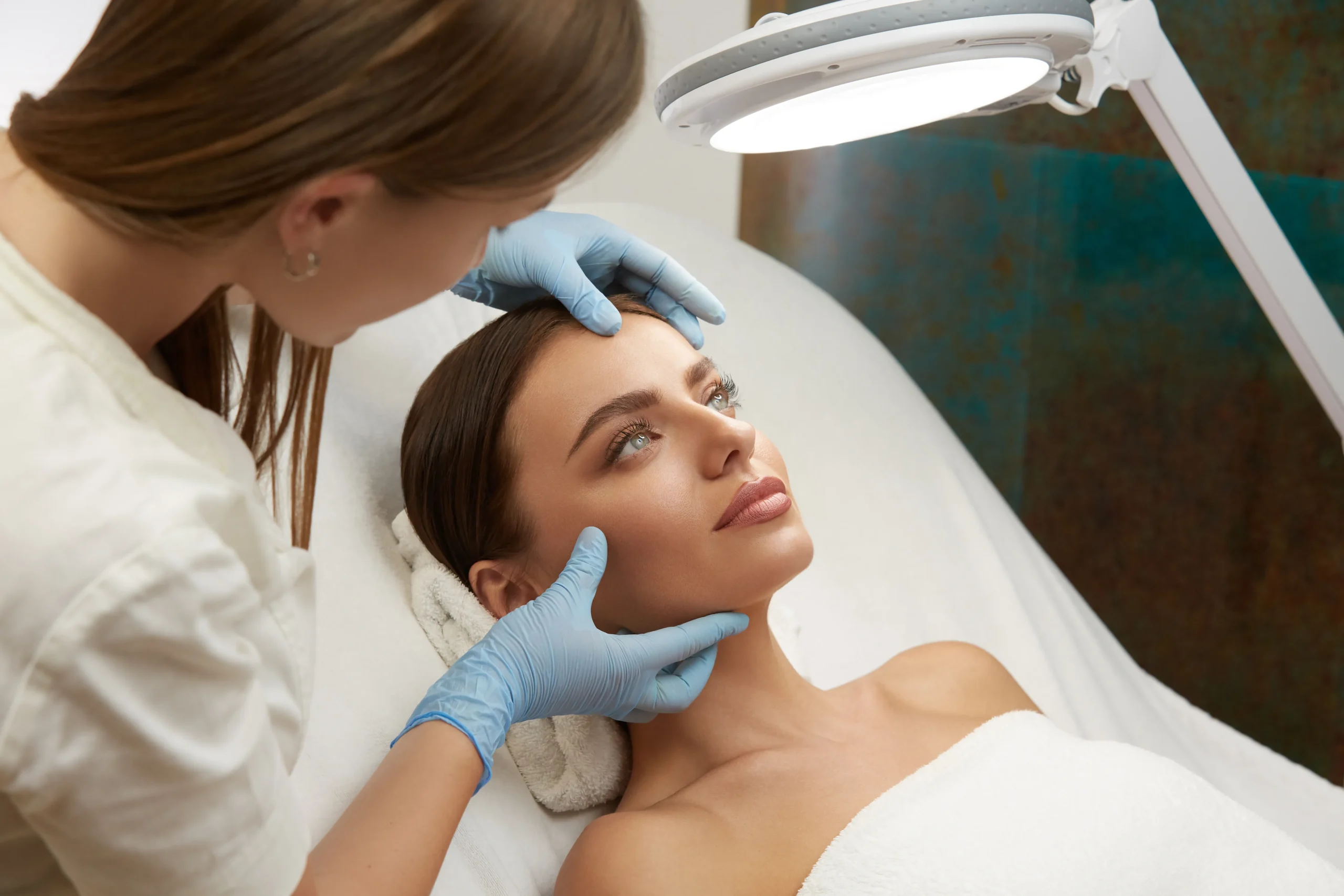

Blepharoplasty (eyelid surgery) removes or repositions excess skin and fat around the eyes to reduce heaviness, under-eye bags, and a tired appearance. The goal is not to create a different face, it is to restore clarity around the eyes while keeping your natural expression.
At MedMedicals in Istanbul, the plan is built around your anatomy. Some patients need upper eyelid correction, some need lower eyelid improvement, and many need a combination. We confirm what will actually improve the eye area after assessment, not from a one-size package.
See all Facial Aesthetics in Turkey (rhinoplasty, revision rhinoplasty, facelift, blepharoplasty).
Send 2 to 3 clear photos and we will recommend the most suitable technique.
Upper blepharoplasty (upper eyelids): €750
Lower blepharoplasty (lower eyelids): €950
Upper + lower blepharoplasty: €1,250
Blepharoplasty (4 lids + general anesthesia): €1,750
Important note
Prices are for the procedure plan listed. The exact plan depends on whether you need skin removal, fat repositioning, tightening support, and the safest anesthesia option for your case.
Pre-op assessment and treatment planning
Blepharoplasty procedure fee for the confirmed plan
Standard anesthesia and clinic or hospital costs for the procedure (plan dependent)
Routine post-op check(s) during your medical stay
Written aftercare and recovery instructions
Flights
Hotel accommodation
Transfers and local transport
Extra nights outside the medical plan
Additional procedures not listed in your confirmed plan
Hotels and transfers are not included. If you want, we can arrange hotel options and private transfers based on your preferences and dates, quoted separately.
Tell us what bothers you most (upper lid heaviness, under-eye bags, asymmetry, tired look). We will confirm whether blepharoplasty is suitable and outline a realistic plan and timeline.
To speed up your evaluation, include:
Your age range
What you want improved (upper lids, lower lids, or both)
Any dry eye symptoms or eye conditions (if any)
Any previous eye or facial surgery
Photos: front, both sides, and a relaxed close-up of the eye area
Main goal: reduce eyelid heaviness and under-eye bags, restore a rested look
Options: upper, lower, or combined (4 lids)
Anesthesia: plan dependent, local with sedation is common, general anesthesia may be used for selected cases
Downtime: bruising and swelling early, improving day by day
Return to desk work: often within about 7 to 10 days (case dependent)
Final refinement: swelling settles gradually over weeks to months
Blepharoplasty can improve:
Upper eyelid skin that folds or feels heavy
A tired look caused by upper lid excess skin
Under-eye bags caused by fat protrusion
Mild to moderate lower lid skin laxity (case dependent)
Eye-area symmetry improvement (within natural limits)
Blepharoplasty cannot:
Fix low brow position if the main issue is a drooping brow (a brow or temple lift may be more appropriate)
Remove all fine wrinkles around the eyes (skin quality may need different treatments)
Guarantee a specific “celebrity eye shape” without trade-offs
If you want a dramatic change in eye shape, you may be asking for something different than standard blepharoplasty. We will tell you what is realistic.
You may be a good candidate if:
You have upper eyelid heaviness or hooding that makes you look tired
You have under-eye bags or puffiness that does not improve with rest
Your eye area makes makeup difficult or feels heavy by the end of the day
You are generally healthy and can follow aftercare
You want a natural, rested result rather than a new identity
Blepharoplasty may be delayed or not recommended if:
You have uncontrolled dry eye or active eye disease (needs specialist clearance)
You have unrealistic expectations about eye shape change
You are prone to poor healing or have uncontrolled medical conditions
You are not ready to stop smoking before and after surgery
Your main issue is brow descent rather than eyelids (plan should change)
Your surgeon chooses the approach based on your eyelid anatomy, skin quality, and support needs.
Removes excess upper eyelid skin and refines the crease area. It can reduce heaviness and create a cleaner, more open eye appearance while keeping a natural look.
Used when skin tightening is needed along with addressing under-eye bags. It can improve lower lid laxity, but it must be planned carefully to protect eyelid support.
Often used when the main issue is under-eye fat bags without significant skin excess. The incision is inside the lid, which can reduce visible scarring. Suitability depends on your skin and laxity.
In some cases, the goal is not “remove fat”, but reposition it to reduce hollowness and create a smoother transition under the eye. If support is needed, additional tightening measures may be recommended.
We confirm what is causing the tired look (skin excess, fat, laxity, brow position) and finalize which eyelids are treated and which approach fits you.
Anesthesia is selected based on plan complexity. Your team confirms what is safest for you.
Upper and or lower eyelids are treated according to the confirmed technique. The goal is a clean result with stable eyelid function and a natural look.
You receive written instructions for cold compresses, cleaning, sleeping position, activity limits, and what symptoms require contact.
A follow-up check is scheduled during your stay before you travel home.
Healing varies, but this is a realistic outline.
Swelling and bruising are expected
Cold compresses and head elevation help
Eyes may feel tight, watery, or sensitive to light
Bruising and swelling start to reduce
Many patients feel comfortable returning to desk work depending on appearance comfort
Follow wound care and cleaning instructions carefully
Most visible bruising resolves
Swelling continues to settle gradually
The eye area looks progressively more natural
Final refinement continues as tissues soften and settle
The result looks less “surgical” and more like a rested version of you
Your surgeon’s aftercare instructions override general timelines.
Upper blepharoplasty scars are typically placed in the natural crease and fade over time. Lower blepharoplasty scars depend on the approach and are designed to be subtle.
A good result looks natural and rested, not tight, hollow, or overcorrected. Overcorrection is the mistake you want to avoid, it is harder to fix than undercorrection.
All surgery carries risk. Possible risks include bleeding, infection, asymmetry, prolonged swelling, scarring concerns, temporary dryness or irritation, changes in sensation, and in rare cases eyelid position issues requiring additional treatment.
The best prevention is correct technique choice and realistic planning, especially for lower eyelids.
We coordinate your treatment so consultation, procedure, and follow-up fit your travel timeline.
You share your goals and a brief medical overview
You send eye-area photos so we can advise likely suitability and whether upper, lower, or combined is more realistic
We confirm a recommended stay length based on your plan
In-person consultation and final plan confirmation
Procedure in a clinic or hospital setting depending on plan and anesthesia
Follow-up check(s) before you fly home
Written aftercare instructions provided clearly
You follow the aftercare plan and can send updates if you have questions
We advise what is normal and what requires medical attention
We guide you on when swelling should meaningfully improve and when final refinement continues
Flights, hotels, and transfers are not included in procedure pricing. If you want, we can arrange hotel options and private transfers based on your preferences and dates, quoted separately.
International patient coordination with clear timeline planning
Natural-result planning (rested look, not identity change)
Transparent pricing and clear included and not included items
Clear aftercare instructions and follow-up support
It depends on what creates the tired look. Upper addresses hooding, lower addresses under-eye bags and laxity. Assessment decides.
The goal is a rested look, not a new eye shape. If you want a significant shape change, that is a different conversation with different trade-offs.
Not always. Many cases can be done with local anesthesia with sedation. General anesthesia may be chosen for selected plans (for example 4 lids), depending on safety and comfort.
Many patients return to desk work in about 7 to 10 days depending on bruising and comfort. Your plan may differ.
A well-planned procedure aims for long-term improvement, but aging continues. Lifestyle, skin quality, and anatomy influence longevity.
Use the form above and send the requested photos. We will confirm suitability and propose a clear plan and timeline.
Blepharoplasty is often combined conceptually (not always surgically) with other facial aesthetic goals. Depending on your case, you may also want to review:
Best when lower-face sagging and jawline laxity are the bigger “tired” signal, beyond the eyelids.
Often requested as part of a broader facial harmony plan, not because it affects eyelids, but because patients want one cohesive facial change strategy.
If you are not sure what drives your tired look (brow vs eyelids vs midface), start here and request an assessment.