
Breast reduction surgery (reduction mammoplasty) reduces breast volume and weight, while also lifting and reshaping the breasts. Many patients choose reduction to relieve physical discomfort (back, neck, and shoulder pain), improve posture, make exercise easier, and feel more comfortable in clothing.
The goal is not only to make breasts smaller, it is to create a size that fits your frame, improves daily comfort, and still looks natural and balanced.
If you share 2 to 3 clear photos (front and side), we can advise whether reduction is suitable and outline next steps.
Breast reduction: 2,800 €
Surgical procedure fee
Anesthesia and standard hospital fees
Hospital stay when required (often 1 night)
Postoperative checks related to the procedure before you fly home
Flights
Hotel accommodation
Local transportation and transfers
Extra nights outside the medical plan
Additional procedures unless stated in your plan
Hotels and transfers are not included. If you want, we can arrange hotel options and private transfers based on your preferences and dates, quoted separately.
Anesthesia: General anesthesia
Length of surgery: About 2.5 to 4 hours (depends on volume and technique)
Hospital stay: When required (often 1 night)
Main goals: Reduce weight, improve comfort, lift and reshape
Scars: Depend on technique, discussed in consultation
Recommended stay in Istanbul: About 7 to 8 nights
Return to office work: Around 10 to 14 days
Driving: Often after about 1 to 2 weeks (if comfortable and off strong pain medication)
Sports and heavy lifting: Gradual return after 6 weeks
Final result: Settling and scar maturation continue for 6 to 12 months
You may be a good candidate if you:
Have back, neck, or shoulder pain related to breast weight
Have bra strap grooves or numbness in shoulders
Get rashes or irritation under the breast fold
Find it difficult to exercise or breathe comfortably during activity
Struggle with clothing fit or feel self-conscious due to breast size
Are in good general health and at a stable weight
Have realistic expectations and understand scarring is part of the procedure
Breast reduction may be postponed or not recommended if:
You are pregnant or breastfeeding
You have uncontrolled medical conditions
You smoke and are unwilling to stop before and after surgery
Your weight is changing significantly (stable weight gives better long-term results)
Breast reduction can:
Reduce heaviness and daily discomfort
Improve posture and mobility
Make exercise easier and reduce skin irritation
Improve breast shape and position (reduction includes a lift)
Improve proportion between upper body and hips or waist
Breast reduction removes excess breast tissue, fat, and skin, then reshapes and lifts the remaining tissue. The technique is selected based on how much reduction is needed and your anatomy.
Vertical (lollipop) scar: around the areola plus a vertical line to the breast fold
Anchor (inverted T) scar: areola scar, vertical scar, and a scar along the breast fold
Scars are permanent but usually fade and flatten with time. We explain expected scar placement clearly before surgery.
In most reductions, the nipple and areola are moved to a higher, more natural position while keeping blood supply intact. In very large reductions, special techniques may be needed, and risks can be higher, which is discussed during evaluation.
Consultation and measurements
Review of medical history, medications, and allergies
Discussion of target size and what is realistically achievable
Preoperative tests if needed
Instructions regarding smoking and medication adjustments
Admission and final checks
Meeting your surgeon and anesthesiologist again
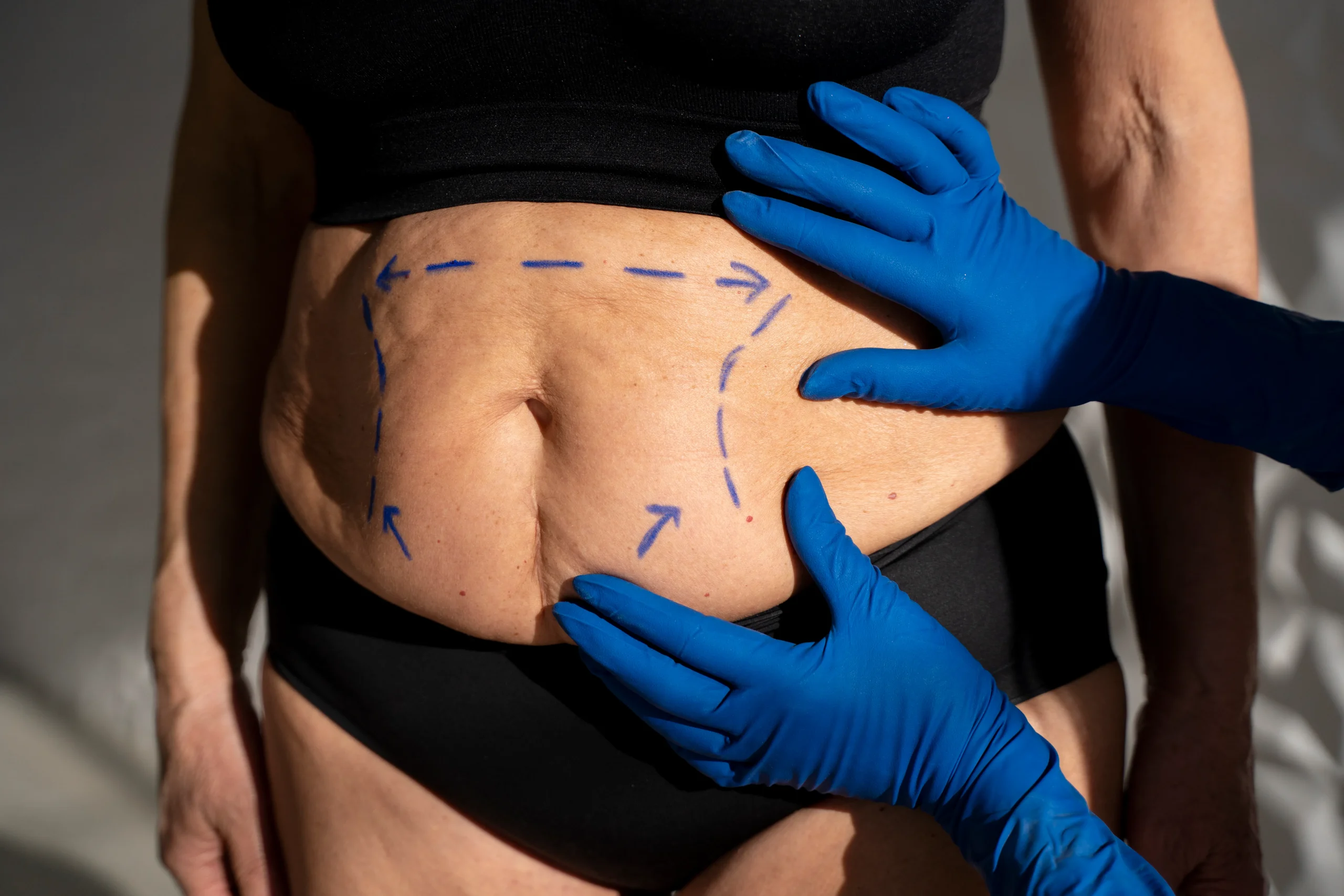
Marking incision patterns and planned nipple position
General anesthesia is administered
Excess tissue and skin are removed, breasts are reshaped and lifted
Incisions are closed with sutures, dressings are applied, and a support bra is placed
You recover under monitoring, then go home or stay overnight if required
Swelling, soreness, and tightness are expected
Bruising varies
Rest and gentle walking are recommended
Support bra is worn as instructed
Avoid lifting, pushing, and overhead arm movement
Keep incisions clean and dry as instructed
Some patients may have drains briefly, removed early if used
Many patients return to office work within 10 to 14 days
Swelling continues to reduce
Avoid heavy lifting and chest workouts
Gradual return to exercise after surgeon clearance
Shape continues to settle
Final contour refines gradually
Scars mature from pink to lighter tones and flatten over time
High fever, worsening redness, or pus-like drainage
Sudden severe swelling on one side
Increasing pain not relieved by medication
All surgery carries risks. Breast reduction specific risks can include:
Bleeding or hematoma
Infection
Delayed wound healing, especially in smokers
Thick or widened scars
Asymmetry or contour irregularities
Changes in nipple sensation (temporary or, rarely, longer lasting)
Rare issues with nipple blood supply, especially in very large reductions
Difficulty breastfeeding in some patients
Need for revision surgery in some cases
Risk is reduced by correct technique selection, smoking cessation, and strict aftercare.
Many of our breast reduction patients travel to Istanbul from abroad. We coordinate the medical part of your plan and support you through recovery with clear instructions and follow up.
You share your goals and 2 to 3 clear photos (front and side)
We review your medical history and confirm candidacy
We discuss target size and what is realistically achievable
We confirm your estimated timeline and recommended stay length
In-person consultation, measurements, and final plan confirmation
Surgery in a contracted hospital
Hospital stay when required (often 1 night)
Postoperative checks before you fly home
Aftercare guidance and recovery check-ins
Support for normal healing questions versus warning signs
Clear milestones for returning to work and exercise
Flights, hotels, and transfers are not included in procedure pricing. If you want, we can arrange hotel options and private transfers based on your preferences and dates, quoted separately.
International patient coordination from photo review to post-op follow up
Surgeon-led planning focused on safe reduction and long-term comfort
Clear expectations on scars, recovery, and target size
Modern contracted hospitals in Istanbul with anesthesia and postoperative monitoring
Transparent pricing structure, with clear included and not included items
Yes. Reduction typically includes lifting and reshaping as part of the procedure.
Most patients keep sensation, but temporary changes are common. Rarely, sensation changes can be longer lasting, especially in large reductions.
Many patients report significant improvement, but results depend on overall posture, weight, and other musculoskeletal factors.
Some patients can, but there is a risk of reduced breastfeeding ability. If this is important to you, mention it during consultation.
Most international patients plan about 7 to 8 nights so early checks are completed before flying.